Target Company URL Research: A Complete Guide for SEO
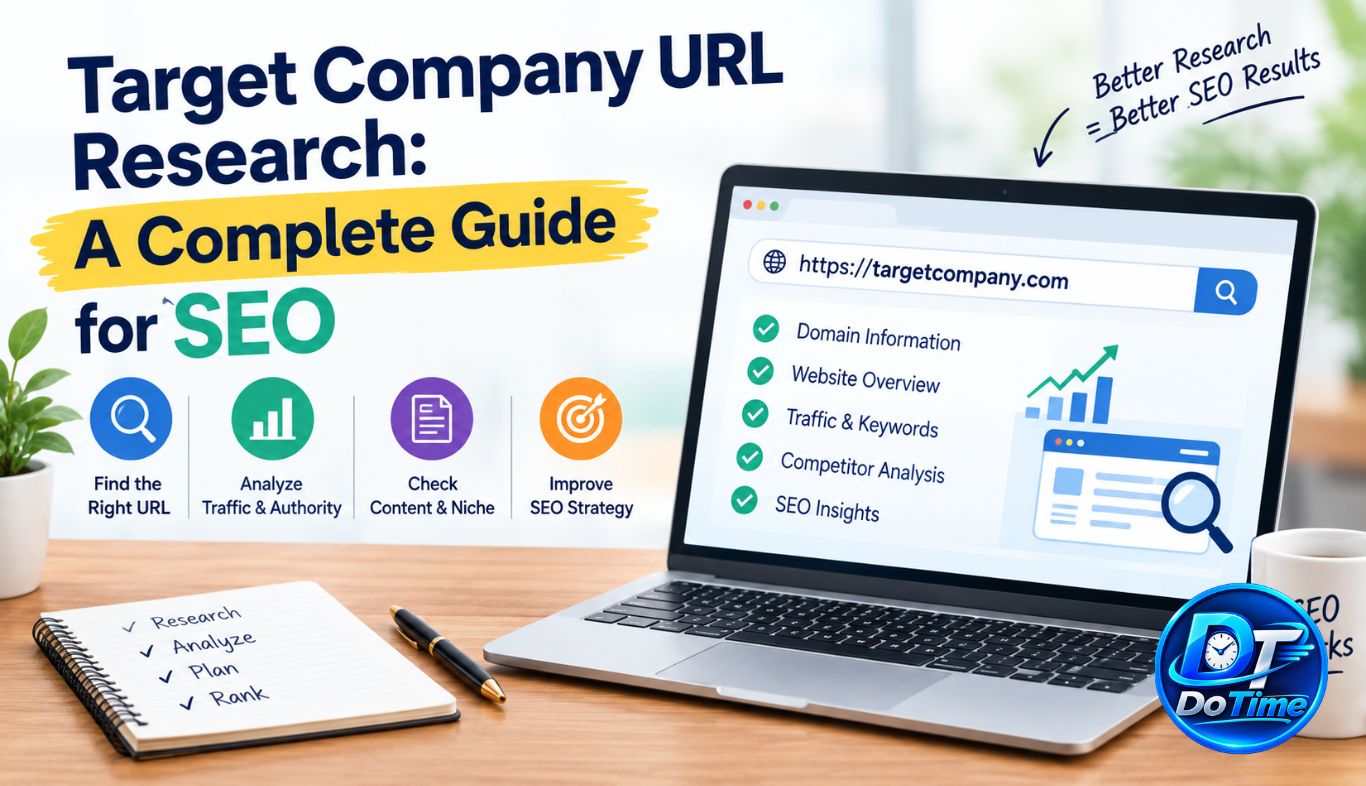
Finding the right companies online requires more than simply searching a business name and copying the first website that appears. Target company URL research is the process of identifying, verifying, and analyzing company websites to support activities such as SEO outreach, competitor analysis, market research, sales prospecting, and digital marketing campaigns.
For businesses, marketers, and SEO professionals in the United States, accurate company URL research helps create better decisions. A verified website can reveal important information about a company’s services, industry focus, audience, online presence, and potential partnership opportunities.
Whether you are building an outreach list, researching competitors, finding potential clients, or studying a specific market, understanding how to perform target company URL research can save time and improve the quality of your data.
What Is Target Company URL Research?
Target company URL research is the process of finding the official website addresses of specific businesses or organizations that match a certain target audience, industry, location, or business goal.
A company URL is more than just a web address. It represents a company’s digital identity. Before using a website for business research, it is important to confirm that the URL belongs to the correct company and provides reliable information.
For example, a marketing professional looking for software companies may need to collect official websites, review their services, analyze their content strategy, and identify opportunities for collaboration.
Effective URL research usually involves:
- Finding the official company website
- Verifying website ownership and accuracy
- Checking company information
- Reviewing website quality and relevance
- Organizing URLs for future use
The goal is not simply to collect website links but to gather accurate and useful business information.
Why Target Company URL Research Matters for Businesses
Businesses rely heavily on accurate online information. Incorrect website data can lead to wasted time, failed communication, and poor marketing decisions.
Improving SEO Outreach Campaigns
SEO professionals often research companies when creating outreach campaigns. They need accurate websites to identify relevant businesses, publishers, partners, or potential clients.
For example, a link-building specialist may research companies in a specific industry to find websites that match a campaign’s requirements. Having the correct URL allows them to analyze:
- Website authority
- Content quality
- Industry relevance
- Contact opportunities
- Partnership potential
A poorly researched list may include outdated websites, unrelated companies, or incorrect domains.
Supporting Market Research
Companies use online research to understand competitors, industry trends, and customer behavior.
By collecting company URLs, researchers can compare:
- Product offerings
- Website structure
- Pricing information
- Content strategies
- Customer resources
This information can help businesses identify gaps in their own digital strategies.
Helping Sales and Lead Generation Teams
Sales teams often build prospect lists based on industries, locations, or company types. Accurate company URLs help sales professionals confirm that they are contacting legitimate businesses.
A website can provide useful details such as:
- Company background
- Available services
- Leadership information
- Contact pages
- Business locations
This creates a stronger foundation for personalized communication.
How to Perform Target Company URL Research Step by Step
A structured process makes company research faster and more accurate.
Identify Your Research Goals First
Before searching for company URLs, define what information you need.
Different goals require different research methods.
Examples:
- SEO outreach may require industry-specific websites
- Competitor research may require similar businesses
- Sales research may require companies with specific locations or services
- Partnership research may require businesses with related audiences
A clear goal prevents collecting unnecessary data.
Find the Official Company Website
The first step is locating the correct website.
Useful methods include:
- Searching the company name on Google
- Checking business directories
- Reviewing official social media profiles
- Using industry databases
- Confirming company details through multiple sources
Be careful with similar domain names. Some websites may look official but belong to unrelated businesses.
Verify the Website Information
After finding a URL, verify that it matches the intended company.
Check:
- Company name
- Business address
- Services or products
- Contact details
- About page information
- Brand consistency
A legitimate company website should usually contain clear information about the organization.
Analyze Website Quality and Relevance
For SEO and marketing purposes, collecting URLs is only the beginning. The website itself should be evaluated.
Important areas to review include:
Website Content
Look at whether the company publishes useful, relevant information. Strong websites often contain:
- Educational articles
- Service pages
- Case studies
- Resources
- Updated information
Technical Website Factors
Basic technical checks can include:
- Mobile usability
- Website speed
- Security connection (HTTPS)
- Navigation structure
- Broken pages
Business Relevance
A website should match your research purpose. A high-quality website that is unrelated to your target audience may not provide value.
Tools Commonly Used for Company URL Research
Many professionals use a combination of search engines, databases, and SEO tools.
Common categories of tools include:
Search Engines
Google and other search engines remain useful for finding official websites, company announcements, and online profiles.
SEO Analysis Platforms
SEO tools can help evaluate website information such as:
- Organic visibility
- Keywords
- Backlink profiles
- Competitor performance
Examples of widely used SEO platforms include Ahrefs and Semrush.
Business Databases
Business directories and professional networks can help identify companies and connect them with their websites.
However, researchers should always verify information because databases may contain outdated records.
Common Mistakes During Company URL Research
Poor research practices can reduce the quality of your final data.
Using Unverified Websites
One of the biggest mistakes is assuming the first search result is always the correct company website.
Some companies have:
- Similar names
- Multiple locations
- Old domains
- Unofficial listings
Always verify before adding a URL to your database.
Collecting Only Domain Names Without Context
A list of URLs alone may not be useful. Good research includes additional information such as:
- Company name
- Industry
- Location
- Contact information
- Research purpose
Context makes the data more valuable.
Ignoring Website Changes
Companies may change domains, redesign websites, or close online pages. Regular updates help maintain accurate records.
How Businesses Can Organize Company URL Research Data
A simple organization system improves efficiency.
Many researchers create spreadsheets containing:
- Company name
- Website URL
- Industry category
- Location
- Contact information
- Notes
- Research status
Adding notes helps teams understand why each website was collected.
For larger projects, customer relationship management systems or research databases may provide better organization.
Target Company URL Research for SEO Professionals
SEO professionals frequently use company research to discover opportunities.
A detailed research process can support:
- Guest posting campaigns
- Partnership opportunities
- Competitor analysis
- Content research
- Digital PR campaigns
For example, an SEO agency targeting healthcare companies in the United States may research healthcare websites, evaluate their online presence, and identify businesses that match their campaign goals.
The quality of research directly affects the quality of outreach and marketing decisions.
Best Practices for Accurate Company URL Research
To improve research quality:
- Start with a clear goal
- Verify every website before saving it
- Avoid relying on a single source
- Keep information updated
- Record useful company details
- Focus on relevance rather than quantity
High-quality research is usually more valuable than collecting thousands of unrelated URLs.
FAQs About Target Company URL Research
What is the purpose of target company URL research?
Target company URL research helps individuals and businesses find accurate company websites for SEO, marketing, sales, competitor analysis, and business development activities.
How can I find a company’s official website?
You can find an official website by searching the company name, checking trusted business profiles, reviewing official social media accounts, and verifying company details on the website itself.
Why is verifying company URLs important?
Verification helps prevent mistakes caused by incorrect domains, outdated information, duplicate companies, or unofficial websites. Accurate data improves research quality.
What information should be collected during company URL research?
Useful information may include the company name, website URL, industry, location, services, contact details, and notes about the website’s relevance.
Can company URL research help with SEO?
Yes. Company URL research can support SEO activities such as outreach, competitor analysis, content research, and identifying relevant websites for partnerships.
Conclusion
Target company URL research is an important process for anyone who needs reliable business information online. Whether you are working in SEO, sales, digital marketing, or market analysis, accurate website research creates a stronger foundation for decision-making.
The best approach is to focus on quality, verification, and relevance instead of collecting large numbers of unconfirmed URLs. By following a structured research process, businesses can discover valuable opportunities and build more effective digital strategies.